
The Team
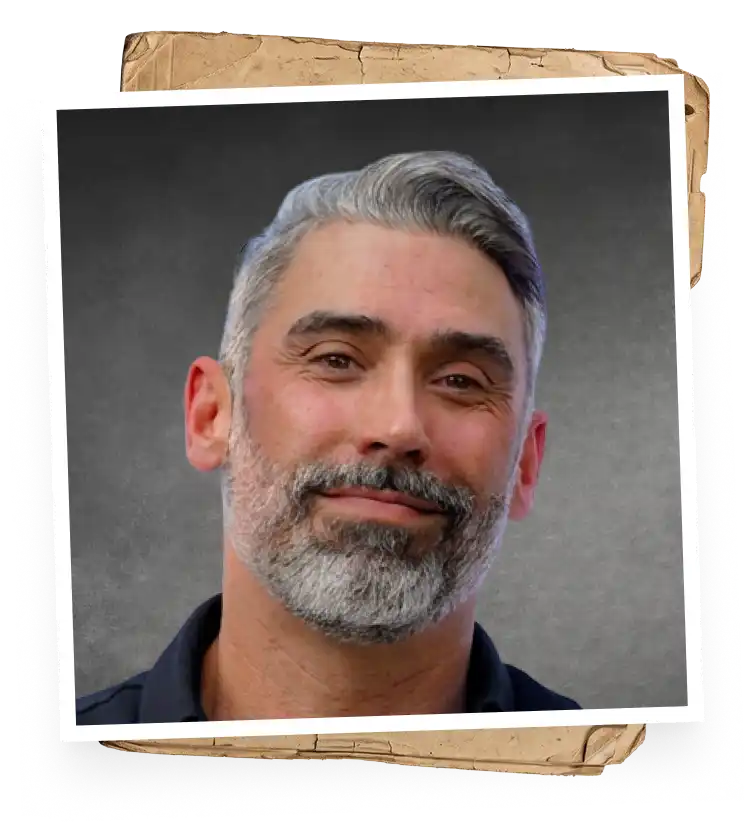
Andrew Sullivan
Founder & President, Community First Project | Former Team Leader, U.S. Navy SEAL Team Six
Andrew Sullivan spent nearly two decades in units where the mission had to work the first time.
He began at SEAL Team Two as lead Joint Terminal Attack Controller, coordinating air and ground assets over two deployments to Iraq. He later screened into Naval Special Warfare Development Group (SEAL Team Six), where he spent the next 12 years and rose to Team Leader of a 24-man counterterrorism unit.
As an assaulter and Team Leader, he planned and executed hundreds of real-world hostage rescue and counter-terrorism operations, while maintaining a sustained pursuit of high-value targets. His work included presidentially directed operations watched at the highest levels of government, several of which made front-page news while his team stayed anonymous. His 12 combat deployments spanned Iraq, Afghanistan, and Africa, and he was awarded the Silver Star, two Bronze Stars with Valor, and the Purple Heart.
He also built the readiness of the force behind him, serving as Lead Instructor for Close Quarters Battle and Advanced Special Operations, the command’s primary breacher, and lead battlefield interrogator. He finished his career as Senior Enlisted Advisor for the Combat Development Directorate.
Today he is Founder and President of Community First Project, a nonprofit delivering no-cost, Tier 1-caliber training to underfunded law enforcement agencies, along with high-level training for military units, federal agents, and corporate security teams nationwide. The organization is building trust between police departments and the communities they serve, equipping officers with the skills to handle worst-case scenarios before they happen and giving departments the confidence that comes from real, scenario-based preparation. It also gives retiring and transitioning SEALs a new mission and continued sense of purpose, turning decades of operational experience into training that protects both the officers on the street and the communities counting on them.
For Arcana House, Andrew brings firsthand knowledge of how these operations actually unfold: how a team stacks on a door, how a room gets cleared, how an interrogation unfolds, and how a small unit communicates under fire. He also understands how teams behave when the stakes are real—the decision-making, communication, and dynamics that only come from having led one. Having served as a liaison to the Joint Interagency Task Force, he can reach the operators, agency personnel, and specialists who validate a detail before it reaches the page, and he knows where the line sits between what makes a portrayal feel real and what operational security won’t allow on screen.
That instructor’s eye carries to the screen. He prepares cast and stunt teams the way he trained operators, so they move, communicate, and carry themselves like they’ve done it for real.